
Tooth-Colored Fillings in Pepper Pike, OH
Why More Patients Are Choosing White Fillings
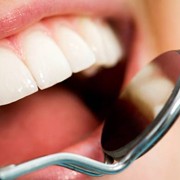
If you've ever avoided smiling after dental work because of a dark silver spot in the back of your mouth, you're not alone. For decades, metal amalgam was the default option for treating cavities, and millions of people are still living with those noticeable gray or black restorations.
At Dental & Cosmetic Solutions, Dr. Andrea Csok and our team offer tooth-colored composite resin fillings that treat cavities completely—and leave no visible trace that work was ever done. Whether you need a new filling or want to replace old silver ones, we provide mercury-free, biocompatible restorations that blend seamlessly with your natural smile.
If you're searching for a dentist near you in Pepper Pike, Beachwood, Shaker Heights, Moreland Hills, or Orange, OH, we'd love to help. Call us at (216) 292-3600 or request an appointment online to learn more about our natural-looking cavity treatment.
What Are Tooth-Colored Fillings?
Tooth-colored fillings, also called composite resin fillings or white fillings, are a modern alternative to traditional silver amalgam. They're made from a flexible, tooth-toned resin material that bonds directly to your natural tooth structure, repairing the cavity and restoring full function without the cosmetic drawback of metal.
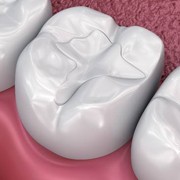 Unlike silver fillings, which sit inside a prepared cavity like a plug, composite resin actually adheres to your tooth at a microscopic level. This bonding process means we can remove less of your healthy tooth structure during treatment — a meaningful win for long-term dental health.
The material comes in a range of shades, and we'll color-match it precisely to the enamel surrounding the filled tooth. Most patients leave our office with a restoration that's virtually undetectable, even up close.
Why Choose Dental & Cosmetic Solutions for White Fillings Near Pepper Pike?
There's no shortage of dental offices in the Greater Cleveland area, so here's what sets our practice apart for patients seeking composite resin restorations:
- Dr. Andrea Csok's eye for natural results. Placing a composite filling well is as much art as it is science. The shade match, layering, anatomy, and polish all determine whether a filling is invisible or obvious. Dr. Csok has years of experience creating restorations that look and feel like natural teeth.
- Safe mercury removal protocols. We're one of the few offices in the area that follow extra protective steps during amalgam removal—for the safety of patients, the team, and the environment.
- Minimally invasive philosophy. We believe in preserving as much of your natural tooth structure as possible. Composite resin supports that goal far better than amalgam.
- Accepting new patients. We welcome new patients and offer early morning appointments Monday through Thursday, with select Saturday hours available.
- No dental insurance? No problem. Ask us about our in-house membership plan, which provides access to preventive care and discounts on restorative treatment, including fillings.
Composite Resin vs. Silver Amalgam: Understanding the Difference
For many years, silver amalgam was the material of choice for dental fillings. It's durable and inexpensive — but it comes with real drawbacks that today's patients increasingly want to move away from. Here's an honest comparison:
Silver Amalgam Fillings
- Contain approximately 50% mercury, a known neurotoxin. In 2024, the FDA issued updated recommendations advising against amalgam use in children under 6, pregnant women, nursing mothers, and individuals with certain kidney conditions or mercury sensitivities.
- Expand and contract with temperature changes. Metal reacts to hot and cold foods and beverages—this repeated micro-movement stresses the tooth over time and can contribute to fractures, cracks, and sensitivity.
- Require more aggressive tooth preparation. To place an amalgam filling, more healthy tooth structure must be removed to create the right shape for the material to hold.
- Visible and discoloring. Amalgam fillings are dark and can permanently stain the surrounding enamel, creating a gray or dark hue around the filling site.
- Environmental concern. Mercury from amalgam fillings is a documented environmental hazard. The EPA requires dental offices using amalgam to install special mercury separators to prevent contamination of water sources.
Composite Resin (Tooth-Colored) Fillings
- Mercury-free and biocompatible. Composite resin contains no mercury. We use high-grade resin formulations that have been evaluated for safety and are appropriate for the vast majority of patients.
- Bond directly to the tooth. The adhesive chemistry of composite resin means less drilling—more of your natural tooth stays intact.
- Stable with temperature changes. Composite doesn't expand and contract the way metal does, reducing stress on the tooth over time.
- Invisible results. The material is shade-matched to your enamel. Onlookers — and even you, in most cases — won't be able to tell you had work done.
- Versatile. Composite resin can also be used for cosmetic bonding, chipped tooth repair, and reshaping, making it one of the most flexible materials in modern dentistry.
The bottom line: Composite resin fillings are the current standard of care for most cavity restorations, and patient demand for white fillings has surged—the global market for biocompatible dental materials grew significantly in 2024, driven by patients seeking mercury-free and aesthetically natural options.
Replacing Old Silver Fillings — Safe Mercury Removal in Pepper Pike
Many patients come to us not because they have a new cavity, but because they want to replace existing amalgam fillings with tooth-colored ones.
We're one of the very few dental practices in the Pepper Pike and Greater Cleveland area that take extra precautions during mercury removal. Standard amalgam removal releases mercury vapor, which can be inhaled by both the patient and dental team. We follow safe amalgam removal protocols that include:
- Protective barriers to minimize patient exposure to vapor and particles
- High-volume evacuation to capture mercury aerosols at the source
- Oxygen or clean air delivery during the procedure
- Sectioning the filling into large pieces (rather than grinding) to reduce vapor release
- Careful, conservative removal that preserves as much natural tooth structure as possible
Once your old filling is safely removed, we place a new composite resin restoration, color-matched to your natural tooth. The result is a healthier, safer, and better-looking smile — all in one appointment.
The Tooth-Colored Filling Placement Process
Wondering what to expect? Here's a step-by-step look at what happens during a composite filling appointment at our Pepper Pike dental office:
- Evaluation and numbing. We begin by examining the affected tooth and confirming the extent of decay with digital X-rays. We'll apply a local anesthetic to ensure you're completely comfortable throughout—most patients feel nothing beyond mild pressure.
- Decay removal. We remove the decayed portion of the tooth. Because composite resin bonds directly to enamel and dentin, we only need to remove what's actually decayed — no extra healthy tooth structure required.
- Conditioning the tooth. We apply a mild conditioning agent to the prepared surface that helps the composite material bond at a microscopic level.
- Placing and shaping the resin. The composite resin is placed in thin layers, each one carefully shaped to conform to the natural anatomy of your tooth. We pay close attention to your bite so the final result feels completely natural.
- Curing with a special light. Each layer of resin is hardened ("cured") using a specialized blue light that activates the bonding agents in the material. This takes just a few seconds per layer.
- Polishing and bite check. Once the filling is fully placed and cured, we polish it to a smooth finish and check your bite. Any minor adjustments are made chairside before you leave.
Most patients are in and out within an hour. You may experience mild sensitivity for a few days after placement, which is normal and temporary.
Caring for Your Composite Resin Fillings
With proper care, composite resin fillings typically last 5–7 years or longer, and many last a decade with good oral hygiene habits. Here's how to get the most out of your restoration:
- Schedule regular checkups. We'll examine your fillings at every visit and let you know if any restoration needs attention before it becomes a bigger problem. Twice-yearly visits are the standard recommendation.
- Practice daily oral hygiene. Brush twice a day with a soft-bristled toothbrush and floss daily. Composite resin is resistant to decay, but the tooth structure around it is not—keeping the margins of the filling clean prevents recurrent decay underneath.
- Watch what you consume. Composite resin can stain over time with frequent exposure to coffee, tea, red wine, and berries. Enjoying these in moderation — and rinsing with water after — helps maintain the appearance of your filling.
- Choose an alcohol-free mouthwash. Alcohol-based rinses can soften composite resin over time, reducing its durability. Look for an alcohol-free formula.
- Avoid hard objects. Don't chew ice, bite your nails, or use your teeth to open packaging. These habits can chip or crack composite restorations just as they can chip natural teeth.
- Wear a nightguard if you grind. If you grind or clench your teeth (bruxism), a custom nightguard can significantly extend the life of your fillings and protect your natural teeth.
Who Is a Good Candidate for Tooth-Colored Fillings?
Composite resin fillings are appropriate for most patients with cavities, but they're an especially great fit for:
- Anyone who wants a natural-looking result, especially for teeth visible when smiling or speaking.
- Patients with concerns about mercury. Particularly children, pregnant or nursing women, or anyone with sensitivities.
- People looking to replace old silver fillings, whether for aesthetic or health-related reasons.
- Patients with small to medium-sized cavities. Composite is strongest in these applications; very large restorations may call for a dental crown or onlay instead.
- Those interested in minimally invasive dentistry, meaning less drilling and more tooth preservation.
If you're unsure whether a composite filling is the right choice for your specific situation, Dr. Csok will walk you through all your options at your appointment. We believe in transparent, patient-first care — not one-size-fits-all recommendations.
Frequently Asked Questions
Are tooth-colored fillings covered by dental insurance?
In most cases, yes — partially. Most dental insurance plans cover composite resin fillings at the same rate as amalgam fillings, though some plans may only cover the cost up to what an amalgam filling would cost, with the patient responsible for the difference. Our team will verify your benefits before your appointment and help you understand your out-of-pocket costs. We also offer a membership plan for patients without insurance.
Do composite fillings hurt?
The placement process itself is painless — we use a local anesthetic before any work begins. Some patients experience mild sensitivity to hot, cold, or pressure for a few days after the appointment, which is completely normal. Over-the-counter pain relievers typically manage this well, and it resolves on its own within a week.
Is it safe to replace silver fillings with white ones?
Yes, and at Dental & Cosmetic Solutions, we use safe mercury removal protocols specifically designed to protect you during the process. We don't recommend removing amalgam fillings in good condition without reason—but if you have failing, cracked, or symptomatic old fillings or simply prefer to go mercury-free, we can discuss your options.
Can a white filling be placed on a front tooth?
Absolutely. Composite resin is actually the preferred material for front teeth because it can be precisely shade-matched and polished to a natural sheen. It's also used in cosmetic bonding for chips, gaps, and minor reshaping — the same material, applied with a cosmetic eye.
What's the difference between a white filling and dental bonding?
They use the same composite resin material. The difference is application: a dental filling restores a tooth after decay is removed; cosmetic bonding reshapes, repairs chips, or closes small gaps in healthy teeth. In practice, the two overlap—we may use a bonding technique during filling placement for the most natural-looking result.
Do white fillings stain?
Composite resin can pick up staining over time from coffee, tea, red wine, and tobacco—similar to natural enamel. This is another reason regular polishing during your cleanings is helpful. Avoiding these substances or rinsing with water after consuming them helps maintain the appearance of your filling.
Ready to Replace Old Fillings or Treat a New Cavity?
If you suspect you have a cavity, or if you've been thinking about upgrading old silver fillings to something cleaner and safer, we're here to help. Dental & Cosmetic Solutions proudly serves patients from Pepper Pike, Beachwood, Shaker Heights, Moreland Hills, Orange, Solon, and surrounding communities throughout Northeast Ohio.
Call our Pepper Pike dental office at (216) 292-3600 or request an appointment online to schedule your visit. We'll take the time to understand what you're looking for, walk you through your options, and make sure you leave with a smile you feel good about.